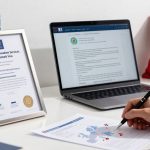
We provide certified translation services in Denmark that turn your embassy and immigration documents into legally acceptable evidence. We work with passports, civil status records, police certificates, financial, academic, and employment documents in Danish–English and key immigration language pairs. Our sworn translators issue formal declarations with stamps, traceable credentials, and accuracy statements aligned with SIRI, Udlændingestyrelsen, and consular rules. We manage notarisation, apostille, and formatting so you avoid refusals, while the sections below explain the process in full.
Certified translations for passports, civil status, police, financial, academic, and employment documents, tailored to Danish embassies, SIRI, and Udlændingestyrelsen requirements.
Sworn/official translators provide signed, stamped declarations confirming completeness and accuracy, with clear source/target language identification and traceable credentials.
Strict quality control ensures exact reproduction of dates, names, numbers, and legal terminology, including layout, stamps, and signatures from the original documents.
Full support with notarisation and apostille/legalisation, aligned with Danish and foreign embassy rules, including Hague Convention or consular legalisation steps.
Translations available for Danish ↔ English, Arabic, Turkish, Farsi, Urdu, German, Polish, Romanian, Spanish, and French for immigration and embassy use.
Why Certified Translation Matters for Embassy and Immigration
When you submit documents to an embassy or immigration authority in Denmark, certified translation isn’t just a formality; it’s a compliance requirement that directly affects the validity of your application. We need translations that consular officers can trust as legally accurate representations of the original content, aligned with established consular procedures and Danish administrative practice.
Certified translation matters because decision‑makers rely on it as evidentiary material. If terminology, dates, or legal concepts are mistranslated, your information can be deemed inconsistent or unreliable, causing delays or refusal.
Which Documents Need Certified Translation in Denmark
Although each embassy and immigration authority in Denmark issues its own document checklist, there’s a clear pattern in the types of records that must be submitted in certified translation. Typically, we see requirements for passports, national ID cards, birth and marriage certificates, divorce decrees, and custody or adoption documents. Educational credentials—diplomas, transcripts, and professional licenses—also require certified translation when they’re used to support visa or residence applications.
We also advise translating police clearance certificates, medical reports, employment contracts, and financial evidence such as bank statements or tax returns when requested. Statements submitted for asylum, family reunification, or immigration interviews often need certified translation to make certain terminology, context, and cultural nuances are conveyed accurately and are fully understood by Danish or embassy officials.
How Certified Translations Work for Danish Authorities
In this section, we’ll explain how certified translations are assessed and accepted by Danish authorities, so you know exactly what standards your documents must meet. We’ll outline the formal requirements that apply to translators, formatting, and supporting documentation, and how these affect embassy and immigration procedures. We’ll also clarify the step‑by‑step process for certification, notarisation, and any necessary legalisation or apostille before your translation can be used in Denmark.
Requirements Of Danish Authorities
Because Danish institutions apply strict procedural standards, it’s essential to understand exactly how certified translations are defined and accepted by the authorities. When we prepare your documents, we must align with the specific expectations of Danish bureaucracy, which prioritises traceability, linguistic accuracy, and verifiable translator credentials.
Authorities typically require that each translation clearly identifies the source language, target language, and full document scope. They’ll expect consistent terminology, correct reproduction of dates, names, and numerical data, and an explicit statement confirming that the translation is complete and accurate.
In practice, translations may be subject to internal or external translation audits, where compliance with formal requirements, formatting conventions, and identity of the responsible translator is carefully examined before your case is processed.
Certification And Legalisation Steps
Once we move from understanding the requirements to actually using your documents, the key issue becomes how the translation is formally certified and, where needed, legalised for use before Danish authorities. We begin with translation authentication: a sworn or officially recognised translator completes the work and signs a statement attesting to its accuracy, often with a stamp and unique identifier.
Next, we determine whether Danish or foreign authorities require notarisation of the translator’s signature. If so, we coordinate notarial certification. For documents originating outside Denmark, additional legalisation or apostille may be necessary, followed by consular procedures at the relevant embassy. Throughout, we align each step with the receiving authority’s specific rules to make sure your file isn’t delayed or rejected.
Meeting Requirements of Danish Immigration (SIRI and Udlændingestyrelsen)
When we translate documents for Danish immigration purposes, we must align precisely with SIRI’s documentation translation standards and formal certification practices. We’ll also make certain that every translation meets Udlændingestyrelsen’s language requirements, including accepted source and target languages, layout conventions, and legal terminology. By coordinating these elements from the outset, we help you minimise the risk of delays or rejections and support the official acceptance of your case documents.
SIRI Documentation Translation Standards
Although translation may seem straightforward, SIRI (Styrelsen for International Rekruttering og Integration) and Udlændingestyrelsen impose strict and specific documentation standards that every translated immigration document must meet. When we prepare your files, we align every element with current SIRI guidelines, from document structure and date formats to name spellings and official reference numbers.
We assure terminology consistency between your original documents and the Danish equivalents required by the authorities, particularly for legal status, employment titles, educational qualifications, and civil registration data. Each translation includes a formal translator’s declaration, certification details, and traceable reference information, so officials can immediately verify authenticity.
Udlændingestyrelsen Language Requirements
Because Udlændingestyrelsen and SIRI apply distinct but interrelated language rules, it’s essential that every translation complies with their specific requirements on accepted languages, certification format, and translator qualifications. We focus on Udlændingestyrelsens emphasis on linguistic accuracy, traceability of translators, and strict consistency across an applicant’s full case file.
To align your documents with these expectations, we:
Identify which documents must be in Danish, English, or another explicitly accepted language.
Assure the certification clause, signatures, and contact data meet Udlændingestyrelsen’s verification practices.
Coordinate with any supplementary language testing results or educational records to avoid terminological conflicts.
Through targeted community outreach, we stay informed about evolving guidelines, enabling us to calibrate terminology, layout, and attestations to Udlændingestyrelsen’s current operational standards.
Ensuring Official Acceptance
Our work with Udlændingestyrelsen’s language rules naturally extends to the broader question of whether your translations will be formally accepted by both SIRI and Udlændingestyrelsen. We thus design every assignment to comply with current circulars, guidelines, and internal practice notes used by these authorities.
We verify identification data, legal terminology, and document formatting so your material corresponds exactly to Danish administrative expectations. That includes faithfully rendering stamps, signatures, and marginal notes, while clarifying cultural nuances that might otherwise trigger follow‑up questions or rejections.
Compliance Aspect
Our Approach
Translator qualifications
Use certified, immigration‑experienced linguists
Layout and formatting
Replicate source structure and pagination
Certification wording
Apply Danish‑compliant declaration and contact details
Submission readiness
Align with SIRI and Udlændingestyrelsen filing practices
Certified Translation for Visa and Residence Permit Applications
When you’re preparing visa or residence permit applications for Denmark, certified translation quickly becomes a non‑negotiable requirement for any supporting documents not issued in Danish, English, Norwegian, or Swedish. We guarantee that every term, date, and reference number precisely matches your original documents, while adhering strictly to translation ethics and correctly reflecting the cultural context of each source text.
For visa and residence cases, we typically handle:
Passports, civil status records, and police clearance certificates
Employment contracts, pay slips, and bank statements
Educational diplomas, transcripts, and professional certifications
We certify each translation with a signed statement of accuracy, our credentials, and contact details, so Danish authorities can reliably verify the work. Our processes minimize ambiguity and reduce the risk of procedural delays or refusals.
Translations for Citizenship and Family Reunification Cases
Citizenship and family reunification procedures in Denmark call for a higher level of documentary precision, and certified translations often play a decisive role in evaluating eligibility. We guarantee that birth certificates, marriage certificates, divorce decrees, criminal record extracts, and proof of legal residence are translated with exact correspondence to the source.
We pay particular attention to evidence used to assess dual nationality, language proficiency, financial self-sufficiency, and cultural integration, as these elements frequently determine case outcomes. Our certified translations follow Danish authority requirements regarding layout, terminology, and translator’s statement, so your documents can be directly submitted to municipalities, the Danish Immigration Service, or the Ministry of Immigration and Integration. By eliminating ambiguities and inconsistencies, we help you present a clear, coherent documentary record.
Study, Work, and Internship Applications: What to Translate?
Beyond citizenship and family reunification matters, many applicants contact us because they must document their academic or professional profile for study, work, or internship purposes in Denmark. In these cases, it’s vital that every supporting document precisely reflects its original content so Danish institutions can assess your qualifications accurately.
Typically, you’ll need certified translations of:
Diplomas, transcripts, course descriptions, and any elements of your academic portfolio that demonstrate learning outcomes
Employment contracts, reference letters, professional licenses, and detailed CVs or résumés
Internship letters, training certificates, recommendation letters, and confirmation of placements or supervised practice
We help you identify what’s mandatory under institutional or embassy guidelines, and what’s merely advisable. Our role is to make certain the translated set of documents presents a coherent, verifiable record of your education and experience.
Language Combinations and Legalization for Certified Translations
In this section, we’ll clarify which language combinations are typically accepted for certified translations in Denmark and how that may affect your application strategy. We’ll also explain when a certified translation must be further legalized or receive an apostille, and in which situations notarization is required. Finally, we’ll outline how to verify and comply with specific embassy or consular requirements so your documents aren’t rejected on formal grounds.
Common Language Pairs Covered
When we talk about certified translations for embassy and immigration procedures in Denmark, we’re usually dealing with a defined set of language pairs that align with applicants’ countries of origin and the authorities’ requirements. We routinely translate between Danish and major global languages, ensuring consistent handling of legal terminology and sensitive cultural nuances that can affect how personal status, education, and employment records are understood.
Typical language pairs include:
Danish ↔ English, for applications involving EU/EEA, North America, and many international programs.
Danish ↔ Arabic, Turkish, Farsi, Urdu, and other languages common among resident and incoming migrant communities.
Danish ↔ German, Polish, Romanian, Spanish, French, and other European languages frequently requested in cross-border family and employment cases.
In each pair, we maintain strict terminological accuracy aligned with Danish administrative practice.
Legalization And Apostille
Although a certified translation is often the first requirement for embassy and immigration procedures, authorities may also demand that the document itself—or the translator’s certification—be legalized or issued with an apostille, depending on the country of destination and applicable conventions. We guide you through this additional layer so your multilingual documentation isn’t rejected at a critical moment.
Concern
What you may feel
Confusing requirements
Fear of costly delays
Unclear authorities
Anxiety about lost papers
Tight submission dates
Stress over missed hearings
We verify whether your target state accepts apostilles under the Hague Convention or requires legalization through diplomatic channels. Drawing on our experience with complex language combinations, we align each certified translation with the correct authentication pathway, fully reflecting ongoing apostille evolution and jurisdiction‑specific practice.
Notarization And Embassy Requirements
Because embassies and consulates apply their own verification protocols, notarization requirements for certified translations often hinge on specific language combinations, document types, and the issuing and receiving jurisdictions. We help you determine whether your case needs a classic notarial attestation, consular legalization, or recognized notary alternatives accepted by the relevant mission.
To structure the process, we:
Identify the governing rules of the destination embassy, consulate, or immigration authority.
Align the translation format, notarial wording, and supporting documentation with those rules.
Act as an informal embassy liaison, coordinating sequencing between translation, notarization, and any subsequent legalization.
How Novatia Translations Ensures Accuracy and Compliance
From initial document intake to final delivery, Novatia Translations follows a rigorously structured process that safeguards both linguistic accuracy and legal compliance for embassy and immigration documents in Denmark. We begin with careful document assessment, confirming jurisdictional requirements, language variants, and any specific embassy guidelines.
Our translator vetting focuses on subject‑matter competence, proven experience with immigration and civil‑status records, and verified mastery of both source and target legal terminology. Each assignment is handled by native linguists, then reviewed by a second specialist.
Our quality assurance framework includes multi‑level proofreading, consistency checks for names, dates, and numeric data, and validation against official templates where applicable. We also maintain secure version control and audit trails, ensuring traceability, confidentiality, and fully compliant certified translations.
Step‑By‑Step: Ordering Certified Translation With Novatia
Once you’re ready to proceed, we guide you through a clearly structured ordering process that minimizes delays and compliance risks. First, you submit clear scans of your documents via our secure portal, indicating target language, country of submission, and any embassy or immigration authority involved. This forms the basis for our customer onboarding.
We then confirm admissibility requirements and assign a specialist linguist. You receive a written scope outlining:
Document list, language pairs, and certification format
Required annotations, seals, and translator credentials
Anticipated review steps for quality assurance
After your approval, we execute translation and certification strictly according to Danish and international standards. A final internal verification checks consistency between source and target, signature accuracy, and presence of mandatory legal elements before we release the certified set to you.
Processing Times, Pricing, and Delivery Options in Denmark
Turnaround, costs, and delivery logistics don’t just affect convenience; they directly impact whether your embassy or immigration filing in Denmark is accepted on time. We thus specify clear service levels with written turnaround guarantees for standard, urgent, and same‑day projects, always aligned with Danish and foreign mission submission deadlines.
We calculate pricing transparently, typically per source‑word or per page for fixed‑format documents such as passports, diplomas, and civil certificates. When you submit multiple files or family applications, we apply structured bulk discounts while maintaining identical quality controls.
Regarding delivery, we provide secure electronic PDFs with embedded certification, plus optional hard‑copy originals sent by tracked post or courier within Denmark and internationally, ensuring chain‑of‑custody integrity for embassy and immigration purposes.
Common Mistakes to Avoid With Embassy and Immigration Translations
Although embassy and immigration requirements in Denmark may appear straightforward, applicants and even professional intermediaries often make avoidable translation errors that lead to delays, rejections, or requests for resubmission. We see recurring translation pitfalls that you can easily prevent with proper preparation and professional oversight.
Key issues to avoid include:
Inconsistent spelling of names, dates, or places compared with passports and civil registries, which creates doubts about identity.
Omitting seals, marginal notes, or handwritten annotations, or reproducing them incorrectly, leading authorities to question document completeness.
Formatting errors such as altered layouts, missing page numbers, or improper attachment of translators’ statements, which can render certified translations procedurally invalid.
Frequently Asked Questions
Are Certified Translations Accepted by Embassies Outside Denmark for Parallel Applications?
Yes, they’re often accepted, but we must warn you acceptance isn’t automatic. Each country’s apostille requirements, embassy recognition policies, and parallel application rules differ, so you should confirm specific legalization and certification conditions with every destination embassy.
Can I Reuse a Certified Translation for Future Visa or Permit Applications?
Yes, you can often reuse a certified translation, but we must stress that document validity and translation updates matter. If your original document changes or authorities require recent certification, a new or updated translation may be mandatory.
Do You Offer Urgent Weekend or After‑Hours Certified Translation Services in Denmark?
Yes, we do. We provide certified translations in Denmark with structured after hours availability and prioritized weekend turnaround. You’ll contact us, share your documents, receive an exact quote, and we’ll confirm feasibility, deadlines, and delivery format in writing.
How Are My Personal and Sensitive Immigration Documents Stored and Protected?
We store your immigration documents on encrypted servers using robust data encryption and strict role‑based access controls. We limit staff access, apply secure backups, audit all activity, and delete or anonymize your data once retention obligations end.
Can You Coordinate Directly With My Lawyer or Relocation Consultant About Translation Needs?
Yes, we can coordinate communications directly with your lawyer or relocation consultant. With your written authorization, we’ll align terminology, confirm document scope, share deadlines, and provide structured status updates to guarantee timely, compliant certified translations.