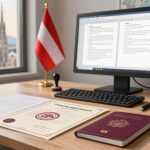
At Novatia Translations, we provide fast, certified translations tailored for Austria study and work visa applications. We align each document with Austrian terminology, formats, and legal standards, ensuring accuracy and reducing processing delays. Our team translates diplomas, transcripts, and motivation letters, then verifies seals, dates, and visa references for credibility. We also guide you on when certified vs. notarized translations are needed. Ready to simplify your visa documentation? Continue with us to uncover how we can help further.
Novatia offers fast, accurate translations tailored for Austria-bound study and work visa applications, ensuring certified results ready for authorities.
Translations cover diplomas, transcripts, letters of motivation, and forms, preserving official formats, terminology, and seals.
The service emphasizes compliance with Austrian procedures, verified dates, names, and visa category references to minimize delays.
Notarization is only provided if explicitly required; most cases need certified translations validated for immigration use.
Novatia maps documents to authorities with robust quality checks, formatting consistency, and timeline-aware delivery.
Why Austria Study and Work Visas Matter for Your Goals
Austria’s study and work visas matter because they enable a clear, legal path to academic advancement and practical employment within a stable economy. We recognize that access to study abroad opportunities expands our intellectual horizons, enhances language proficiency, and builds professional networks that endure beyond graduation. By detailing visa applications accurately, we help you avoid costly delays and missteps, aligning timelines with Austrian regulatory expectations. We emphasize deliberate planning, from program selection to housing and financial proof, so you can focus on learning and integration. Our guidance supports responsible career planning, ensuring you can pursue advanced degrees or valuable work experiences with intent. Together, we translate complex processes into actionable steps, elevating your confidence and advancing your long-term goals.
How Translation Supports Austrian Visa Requirements
How does accurate translation streamline Austrian visa requirements? We approach this topic with clarity, because precise translationreduces ambiguity and speeds processing. We translate applicant information—forms, statements, and statements of purpose—so authorities receiveconsistent, faithful renderings in German or English as required. Our translations align terminology with Austrian immigration standards, minimizing requests for clarification and rework. We verify dates, names, and visa category references, ensuring legal compatibility and accurate cross-referencing across documents. This reduces risk of delays, audit flags, and misinterpretations that could derail timelines. While we discuss translation’s role, unrelated topic or irrelevant discussion should not derail the core objective: dependable, compliant, and timely document delivery that supports successful outcomes. Trust in meticulous, culturally aware translation practices for Austrian visa requirements.
What Documents Most Often Need Translation
The documents most often needing translation include foundational records and official forms that national authorities require for visa assessment. We guide the process with clear expectations, outlining precisely what typically appears on applicants’ files and how each item contributes to a clean evaluation. How translation happens matters: we align language, tone, and terminology to the destination authority’s standards, ensuring consistent interpretation across all documents. Deadlines are central; we prioritize early review, accurate turnaround, and transparent scheduling so you can plan accordingly. Document accuracy and formatting are nonnegotiable: titles, dates, names, and seals must match original copies exactly, and margins, headings, and pagination should reflect official layouts. With this approach, you avoid common errors that slow or derail applications.
Certified vs. Notarized Translations: What You Actually Need
When preparing documents for Austria’s study and work visas, you’ll likely encounter questions about certified versus notarized translations. We clarify: in most cases, official institutions require certified translations, notarial stamps aren’t always necessary. Our guidance focuses on what you actually need to avoid delays.
Certified translation: official accuracy, translator’s declaration, ready for authorities
Notarization: only relevant if specifically requested by a consulate or court
Documentation checks: always confirm the exact requirement for your visa type
Verification steps: keep copies and contact points for quick validation
Two word discussion ideas, unrelated topics, and practical preparedness help you navigate expectations with confidence. If uncertain, we verify with the issuing authority before submitting. Our approach is precise, culturally aware, and outcome-driven.
The Novatia Process: Fast, Accurate Translations for Austria
At Novatia, we streamline Austria-bound translation projects with speed and precision, delivering certified translations that meet official standards without unnecessary delays. We partner closely with you, mapping your documents to Austria’s authorities and timelines, then executing with rigorous quality checks. Our process prioritizes accuracy, cultural nuance, and consistency across languages, ensuring your message remains intact. We handle formatting, terminology, and typography so submissions are submission-ready from the start. You can trust our workflow to minimize back-and-forth while preserving legal meaning and tone. Below is a quick overview table to visualize steps, milestones, and responsibilities, helping you see how we maintain momentum without sacrificing quality. unrelated topic | irrelevant concept | standard review.
Translating Diplomas, Transcripts, and Letters of Motivation
We know that accurate translation of diplomas, transcripts, and letters of motivation is essential for Austria study and work visas. We’ll outline best practices—verification of official seals, handling terms of study and grading scales, and aligning motivation letters with visa expectations—so you have a solid starting point. Let’s discuss how precise, culturally aware translations help you present your credentials with credibility and clarity.
Diplomas Translation Tips
Diploma translations are essential for Austria study and work applications, and accurate rendering of diplomas, transcripts, and letters of motivation can make or break an otherwise solid profile. We guide you with careful attention to detail, ensuring terminology aligns with Austrian expectations and official phrasing.
Verify diploma wording for institutional names, degree types, and dates to prevent misinterpretation.
Anticipate translation pitfalls, such as credential equivalencies and noisy abbreviations.
Maintain consistent formatting, capitalization, and tone across documents.
Include certified attestations and back translations when required by authorities.
We emphasize accuracy over speed, recognizing that every term shapes credibility, compliance, and opportunities. Questions about wording or potential pitfalls? We’ll help you navigate, ensuring your submissions reflect your qualifications clearly and professionally.
Transcripts and Letters of Motivation
Transcripts and letters of motivation are essential components in Austria study and work applications, complementing diplomas by detailing academic performance and personal intent. We, at Novatia, translate these documents with exacting care to preserve meaning, tone, and structure. Transcripts formatting matters: we align course names, grades, and credits with local expectations, ensuring clarity for admissions committees and authorities. Motivation letters require a concise narrative of goals, relevant experiences, and fit with Austrian programs or employers, while maintaining formality and authentic voice. We avoid jargon, preserve dates, and contextualize achievements within Austrian academic or professional norms. Our approach combines precise language, cultural awareness, and stringent quality checks. Trust us to deliver readable, compliant transcripts and motivation letters that support successful applications.
Ensuring Legal Compliance With Austrian Authorities
Are you confident you’re fully aligned with Austrian authorities before you apply for study or work visas? We are here to guide you through compliance essentials with clarity and care. To ensure smooth processing, focus on the following pillars:
Verify documents align with official formats and language expectations.
Confirm translations preserve legal meaning, not just words.
Maintain grammar accuracy and tone consistency throughout every submission.
Double-check deadlines and procedure steps to avoid delays.
Best Practices for Document Formatting and Metadata
Best practices for document formatting and metadata build on our compliance work by ensuring every submission is visually organized and easily verifiable. We aim for consistent typography, standardized headings, and clear pagination so reviewers locate information without ambiguity. We align metadata with regulatory requirements, including document titles, author names, dates, and version numbers, to support traceability across jurisdictions. Our approach minimizes risk by embedding accessible alt text for figures and using descriptive file names. While we discuss formatting, we also acknowledge unrelated topic and irrelevant ideas, not as distractions but as contextual awareness—recognizing what to exclude. We maintain cultural sensitivity in date formats, address conventions, and language clarity. In every exchange, precision, verifiability, and professional presentation reinforce trust and expedite processing of visa-related materials.
Common Pitfalls and How to Avoid Them
We’ll outline the common pitfalls to watch for, from ambiguous terminology to missing official stamps, and explain why each matters for Austria study and work visas. We’ll point to avoidable translation mistakes and concrete fixes that save time and reduce delays. We’ll also share practical visa translation tips so you can proceed with confidence and clarity.
Common Pitfalls to Watch
Navigating visa processes can feel daunting, but with careful planning you can sidestep the most common pitfalls that trip people up when pursuing Austria study and work visas. We’ve identified practical traps and clear mitigations to keep applications smooth.
Grammar mistakes undermine credibility and delay reviews.
Inconsistent font choices and formatting can signal carelessness.
Missing or mismatched dates/toe-in-terms create confusion.
Inadequate document translations erode trust and require re-submission.
We stay vigilant by validating every form field, standardizing typography, and cross-checking supporting papers. By adopting disciplined proofreading, we minimize errors that trigger requests for clarification. Our goal is to present a cohesive package that respects local expectations and timelines. Trust our guidance to help you anticipate issues before they arise and complete submissions with confidence.
Avoidable Translation Mistakes
Avoidable translation mistakes can derail an otherwise solid visa package. We’re here to help you recognize the most common traps and fix them before submission. We focus on accuracy, consistency, and context, because a word-for-word render can create confusing or misleading records. We avoid marketing flair or irrelevant topic tangents that distract reviewers from your qualifications. We also guard against unrelated issue misclassifications that can trigger delays or requests for clarification. Our approach emphasizes terminology standardization, date formats, and currency conventions appropriate to Austrian procedures, plus careful handling of names, titles, and legal terms. By auditing each document for tone, jurisdiction, and cultural nuance, we minimize misinterpretation risks and improve the likelihood of a smooth review.
Practical Visa Translation Tips
Ever wonder why small translation errors derail visa applications? We know the stakes, and we’ll guide you through practical steps that reduce risk. Our approach emphasizes accuracy, consistency, and cultural awareness to support bureaucratic translation needs and smooth visa interview prep.
Validate names and titles exactly as in official documents to avoid mismatches.
Preserve meaning over literal rendering, especially for legal terms and dates.
Use consistent terminology across all forms to prevent confusion.
Double-check formatting, seals, and signatures to reflect authentic documents.
Time-Saving Tips for Tight Visa Deadlines
When deadlines loom, every minute counts, so we’ll focus on practical steps you can take today to speed up the visa process. We’ll start with open communication: prompt, clear updates to consulates, employers, and educational institutions prevent delays caused by missing documents or misinterpretations. Gather required paperwork in a master checklist, notarized where needed, and certify translations before submission. Prioritize accuracy over speed; small errors force rework and extend timelines. Schedule deadlines backward from the target date, reserving contingency for delays. Consider culture adjustment factors—acknowledge local bureaucratic norms and respond respectfully to inquiries. Streamline collaboration with your translation partner to minimize back-and-forth. Finally, set aside time for a final document audit to ensure consistency, completeness, and compliance with Austrian requirements.
Case Studies: Real-Life Success With Novatia Translations
Across our cases, real clients’ journeys show how careful planning, precise translations, and timely coordination with Novatia translate into tangible results. We’ve seen study and work visas succeed when docs align with Austria’s expectations, and timelines stay intact. Our approach blends linguistic precision with cultural awareness, ensuring every document speaks clearly to authorities. Here are takeaways from our experience:
1) Early scoping minimizes delays
2) Consistent terminology reduces back-and-forth
3) Compliance checks catch issues before submission
4) Proactive updates keep applicants confident
In this field, unrelated topic and random chatter can derail timelines if not managed. By staying focused, we deliver concise, accurate translations that support smoother approvals and less stress for applicants. We invite you to rely on our proven process.
How to Get Started: Your Next Steps With Novatia Translations
Getting started with Novatia Translations is straightforward: we’ll guide you through a clear, step-by-step process to begin your Austria study or work visa submission with confidence. We start by outlining required documents, timelines, and translation standards tailored to Austrian authorities. Next, we assign a dedicated project manager to align expectations, verify accuracy, and maintain sensitive data integrity. Our team delivers precise, culturally aware translations that meet regulatory nuances, including legal terminology and authentication needs. We’ll prepare you for submission, address potential pitfalls, and provide a transparent timeline for each milestone. Two word discussion ideas, subtopic unrelated, are used to illustrate communication options and avoid bottlenecks. Trust our experience to translate complexities into a smooth, compliant path, so you proceed with certainty.
Frequently Asked Questions
Do I Need Translation Before Applying for Austria Study Visa?
Yes, you generally need translations for visa documents before applying. We ensure translations for visa accuracy and document authenticity, guiding you through requirements and timelines so you submit compliant, credible paperwork with confidence.
Are Apostilles or Legalization Required for Translations?
Yes, apostilles or legalization are typically required for translations. We’ll review apostille timing and legalization requirements with you, ensuring compliant documentation and accurate translations that meet Austrian authorities’ expectations. Trust our precise, culturally aware guidance throughout this process.
How Long Does a Standard Translation Take?
We typically offer a longer turnaround for complex documents, but we ensure document accuracy while meeting your needs. We’ll guide you precisely, keeping cultural nuance in mind, and communicate expected timelines clearly for your Austria visa translation.
Can I Submit Translations From Non-Certified Translators?
We can’t rely on unverified translators; submissions from unverified translators jeopardize translation credibility. We require certified translations for Austria visas, and we guarantee accuracy, compliance, and cultural awareness to protect your application and our shared translation credibility.
Do Translations Affect Visa Interview Outcomes?
Translations impact visa interview outcomes, but we assess affidavits and accuracy carefully; non certified translations feasibility varies by consulate. We guide you to prepare precise documents, ensuring clarity, consistency, and adherence to requirements, strengthening your case during the interview.