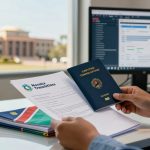
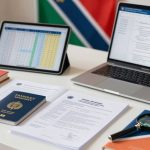
We provide precise, certified translation services for embassy and immigration documents in Namibia, backed by strict QA, official formatting, and reliable, expedited delivery. Our translations preserve meaning, align with Namibian and destination-administration requirements, and include translator details, dates, and accuracy statements. We handle apostilles, notarial blocks, and bilingual layouts to meet embassy expectations. From intake to delivery, our process ensures transparency, confidentiality, and traceability. If you want to learn more, you’ll find detailed guidance ahead.
Novatia provides certified translations for embassy and immigration documents in Namibia with sworn affidavits where required.
Translations preserve original meaning, standardize terminology, and ensure accurate dates and names for visa and residency processes.
Services include notarization guidance, apostille facilitation, and alignment with Namibian authorities’ presentation and formatting standards.
Clear intake, rapid turnaround options, and progress updates help meet embassy timelines and expedite verification.
Deliverables feature bilingual layouts, stamp lines, certifying statements, and auditable quality assurance for compliance.
Understanding Certified Translations for Namibia Visas
Understanding certified translations for Namibia visas is essential for a smooth entry process. We guide you through what certified translations mean, why accuracy matters, and how this affects embassy handling. Our approach focuses on verifiable equivalence between originals and translations, with standardized terminology and sworn attestations where required. You’ll find that consistency in terminology and dates reduces delays at consulates and border controls. We emphasize document formatting as a key quality factor: margins, font, line breaks, and stamp placements must align with official expectations. Embassy etiquette matters too; presenting complete, neatly organized files signals professionalism and respect for procedure. By partnering with us, you gain reliable language fidelity, clear sufficiency checks, and streamlined submission timelines.
Which Namibian Authorities Require Translations?
Which Namibian authorities require translations, and when are they mandatory? We guide applicants to anticipate translation needs across government bodies. Generally, authorities requiring translations include immigration agencies, embassies, consulates, labor and social security offices, and education or professional registration boards when documents are not in English or Afrikaans. In practice, translations are mandatory for documents submitted for visa applications, work or study permits, permanent residency, and professional licensure. Some agencies accept certified copies or alternative formats, but verification steps are often required to confirm authenticity. We recommend confirming exact requirements with each entity early, then prepare translations accordingly. If you encounter nonstandard document types, we provide guidance on how to handle alternative formats while maintaining compliant verification steps.
What Makes a Translation Legally Valid in Namibia?
What makes a translation legally valid in Namibia hinges on defined standards that ensure accuracy, authenticity, and verifiability. We, as translators, align our work with Namibian law, regulator expectations, and official recognition requirements. The core elements are linguistic fidelity, proper formatting, and certified status. We verify source material, preserve meaning, and avoid adding or omitting information. Each translation must include translator details, date, and a statement of accuracy. When required, we attach apostilled or legalized documentation and obtain an appropriate stamp or seal from a recognized authority. The process emphasizes transparency, traceability, and consistency across documents. Two word discussion ideas, unrelated topic, serve as neutral prompts for cross-checking internal quality controls and ensuring uninterrupted workflow. In short, legality rests on accuracy, authentication, and proper attestation.
The Novatia Process: From Document Intake to Delivery
At Novatia, our process begins with a clear Document Intake Flow to capture all requirements accurately. We then safeguard your materials through a Secure Delivery Method, ensuring confidentiality and traceability from start to finish. You’ll experience a precise, efficient handoff as we move from intake to delivery with no surprises.
Document Intake Flow
The Novatia process starts with a focused, streamlined document intake: we verify eligibility, collect required documents, and set clear expectations for timelines and secure handling. We guide you through a concise checklist, ensure scans meet quality standards, and confirm submission formats for embassy or immigration bodies. Our intake emphasizes accessibility and accuracy, flagging any missing items promptly to avoid delays. We document consent, privacy, and data retention terms, then assign a dedicated coordinator to oversee your file. Throughout, we provide discussion ideas to help you prepare, while keeping communication direct and professional. In parallel, we maintain robust digital archiving and organization so your materials are easy to retrieve. This foundation supports efficient processing and reliable, timely delivery.
Secure Delivery Method
Secure delivery is the final, non-negotiable step in our process: we transport your documents with end-to-end protection, traceable handoffs, and strict controls to prevent loss or tampering.
We safeguard your files through secure couriers, audited chain-of-custody, and real-time status updates, so you know exactly where your documents are. We address privacy concerns by minimizing data exposure and enforcing access controls at every point in transit. We limit cloud storage usage to temporary credentials and encrypted repositories, ensuring data remains secure until delivery is confirmed. Our procedures prioritize compliance, confidentiality, and accountability, delivering peace of mind for embassy and immigration needs.
Real-time tracking and audited handoffs
End-to-end encryption and access controls
Minimal cloud storage with encrypted repositories
Immediate confirmation on delivery completion
How to Prepare Your Documents for Translation in Namibia
Need to prepare your documents for translation in Namibia? We guide you through essential steps to ensure accuracy and compliance. First, identify the correct document formats accepted by embassies and authorities, and preserve original content without alterations. We recommend submitting clean, legible copies in digital or physical form, avoiding annotations unless explicitly requested. Next, gather supporting materials such as birth certificates, visas, and seals, and verify dates, names, and places for consistency across documents. We maintain translation ethics by protecting sensitive information and avoiding substitutions that change meaning. If required, provide certified copies and notarizations to verify authenticity. Finally, flag any ambiguous terms or acronyms for our translators, so we deliver precise, legally compliant translations that meet regulatory expectations.
Turnaround Times and Rush Options for Embassy Documents
We outline our rush processing options, alongside standard turnaround details, so you know what to expect for embassy documents. We’ll cover document submission timelines and how these timelines affect processing speed, accuracy, and delivery. By clarifying these points, we set a clear path for choosing the right turnaround that fits your deadlines.
Rush Processing Options
What turnaround times can you expect for embassy documents, and what rush options do we offer? We provide clear, fast choices to meet tight deadlines without sacrificing accuracy. Our rush processing prioritizes your passport, visa, and consular paperwork, ensuring compliant translations with certified seals where required. We balance speed with meticulous quality control, so independence heritage and sand dunes considerations never compromise precision.
Same-day transcription and expedited certification for urgent cases
24–48 hour standard rush with guaranteed accuracy review
3–5 business day express for complex documents
Optional courier delivery to prevent delays at consulates
We tailor timing to your specific embassy requirements, keeping you informed at every step. If you need faster service, contact us directly so we align on a feasible timeline and cost.
Standard Turnaround Details
Standard Turnaround Details: Our embassy document turnaround options are designed for clarity and reliability, with defined timelines and transparent pricing. We communicate expected delivery windows upfront and honor rush requests when feasible, balancing accuracy with speed. Typical durations vary by document type and language pair, and we provide precise start-to-finish milestones, including review, translation, and certification steps. We offer standard timelines, expedited options, and weekend processing where available, all clearly itemized in our quote. You’ll find that the process is predictable, with progress updates at agreed intervals. Two word discussion ideas, unrelated topics, guide our selection of available slots, ensuring no surprises. We emphasize quality control, secure handling, and compliance with embassy requirements, avoiding unnecessary delays or ambiguity.
Document Submission Timelines
Document submission timelines for embassy documents are defined and transparent. We, at Novatia, outline clear options for processing, so you know what to expect and when. Our embassy timelines hinge on document type, language, and required verifications, with predictable steps from intake to delivery. We offer standard turnaround and expedited pathways for urgent cases, ensuring compliance without compromising accuracy. You’ll receive status updates at each milestone, minimizing uncertainty and enabling better planning. For rush requests, we provide limited slots and prioritized review to meet tight deadlines while maintaining quality. We invite you to choose the appropriate option based on your destination and deadline. Our team remains committed to precise, timely, and reliable document submission for every client.
Clear standard timelines and rush options
Transparent milestones and status updates
Prioritized review for urgent cases
Consistent quality with deadline awareness
Quality Assurance: Ensuring Accuracy and Formatting
Quality assurance isour linchpin for accuracy and formatting in every certified translation we deliver; how we verify details matters as much as the translation itself. We rigorously check source data, names, dates, and legal terminology, then cross-reference against original documents to prevent drift. Our process combines human review with targeted checks to catch transcription errors, inconsistencies, and missing accents. We adhere to formatting standards designed for embassy and immigration needs, including consistent typography, margin alignment, and page order that align with submission requirements. We document every change, maintaining an audit trail for traceability. Our aim is to deliver flawless, publication-ready translations that withstand scrutiny. By integrating quality assurance into workflow, we uphold reliability, precision, and trust in every certified translation.
Common Documents We Translate for Namibian Immigration
We’ll outline the common immigration documents we translate for Namibian clients and why each requires careful handling. From birth and marriage certificates to police clearance and educational records, we cover the essential document types and their translation needs. We’ll also review the readiness steps—how to prepare originals, ensure legibility, and meet Namibia’s translation standards—so you’re set for submission.
Common Immigration Documents
Common immigration documents form the backbone of a successful Namibian entry or residency process, and we translate them with exacting care to preserve meaning and legal nuance. We handle a broad set of forms, affidavits, and records, ensuring consistency across languages and jurisdictions. Our approach emphasizes accuracy, timeliness, and clear communication for officials and applicants alike. Below, we outline core document categories we routinely translate and verify.
Passport and travel documents
Birth, marriage, and name change certificates
Police clearance and background checks
Educational records and professional licenses
We emphasize discussion ideas: translation workflows, document encryption. By standardizing workflows and applying robust encryption, we protect sensitive data while delivering dependable translations for embassy and immigration submissions.
Translation Necessities for Namibia
What documents do Namibian immigration officials expect to see, and how do we ensure those translations are accepted? We outline standard items and translation practices with clarity. We prioritize accuracy, consistency, and verifiable source references, and we align each translation with embassy requirements. Our approach covers official IDs, birth and marriage certificates, academic records, and work authorizations, translating them faithfully while preserving names, dates, and stamps. We emphasize certified translators, sworn affidavits where required, and legible formatting that mirrors originals. We verify language pairs, note potential regional synonyms, and anticipate common gaps or ambiguities. For readers seeking guidance, consider topic ideas that streamline planning, ensuring documents are complete before submission. Our goal remains precise, authoritative, and efficient, avoiding unnecessary detail while delivering reliable direction.
Document Readiness Requirements
How do you ensure your documents are ready for Namibian immigration? We outline the essential readiness steps to prevent delays. Our focus is on document security and language accessibility, ensuring every file meets embassy standards and translation requirements.
Verify all names, dates, and places match your passport and visa applications
Gather original documents plus certified copies, with apostille where required
Confirm language accessibility for translations and attach wet-ink or digital signatures as needed
Ensure clear scans, legible copies, and proper formatting for easy review by officials
How to Choose a Translation Partner: Key Criteria
Choosing the right translation partner hinges on clear, measurable criteria you can verify before you commit. We assess capability with certified translators, topic expertise, and strict QA processes, ensuring accuracy for embassy and immigration documents. Look for proven turnaround times, transparent pricing, and scalable capacity to handle peak workloads without compromising quality. We evaluate security standards, data protection, and confidentiality agreements to safeguard sensitive personal information. Our due diligence includes client references, sample translations, and an audit trail that documents revisions and approvals. We consider cost optimization strategies, avoiding hidden fees while maintaining quality. Vendor evaluation should cover technological tooling, terminology management, and consistent adherence to official formatting requirements. Informed selection leads to reliable results, minimizing rework and delays in critical immigration processes.
Cost Considerations for Embassy Translations in Namibia
Cost considerations for embassy translations in Namibia are driven by accuracy, turnaround needs, and data security. We balance price with quality, ensuring compliant results for official use. Our approach centers on predictable budgeting, transparent pricing, and timely delivery to support your visa and permit timelines. We emphasize budget planning to avoid surprises and to align translation scope with required documents. Vendor selection is guided by certified expertise, data handling standards, and reliable turnarounds.
Clear cost estimates with itemized line items
Turnaround options matched to urgency
Data security and confidentiality assurances
Vendor selection criteria aligned with embassy requirements
How Translations Interact With Embassies and Consulates
We understand how translations interact with embassies and consulates, and we translate accordingly to meet official expectations. Our approach aligns documents with each entity’s formal requirements, ensuring accuracy, format, and terminology. We recognize how embassies interact with submitted papers, verifying stamp lines, signatures, and certifying statements for compatibility with local procedures. We streamline the process by preserving meaning while adapting layouts to preferred grids and bilingual presentation. Consulates procedures demand careful attention to apostilles, notarial blocks, and date conventions, all of which we anticipate and implement. We communicate clearly about any ambiguities, requesting clarifications when needed to avoid delays. Our aim is consistent reliability, reducing back-and-forth and expediting approval through precise translation practices.
FAQs: Top Questions About Namibian Embassy Translations
Have questions about Namibian embassy translations? We address the top concerns clearly and efficiently, so you know what to expect from our process and standards. Our approach emphasizes accuracy, consistency, and compliance with embassy requirements, including how we handle notarization and document presentation. We also clarify common procedural steps, timelines, and fee structures, ensuring you have a reliable reference point. This guidance aligns with notarial practices and the etiquette guidelines that embassies expect, reducing back-and-forth and delays.
What counts as an acceptable source document for a disclaimer notarial
How long translations take and when expedited service applies
Which documents require apostilles or certifications
How we communicate updates and verify embassy-specific requirements
Frequently Asked Questions
Do I Need Notarization With Certified Translations in Namibia?
Yes, we require notary requirements for certified translations in Namibia; you’ll need either digital or physical copies depending on the authority. We recommend confirming specifics, as digital vs physical copies impact acceptance and processing timelines.
Are Digital Copies Accepted by Namibian Embassies?
Yes, digital copies are generally accepted by Namibian embassies when accompanied by digital signatures and proper certification, though we recommend verifying each mission’s requirements, as some may insist on original documents or certified translation software for verification.
How Soon Can I Apostille a Translated Document in Namibia?
We can apostille your translated document within a short apostille timeline, depending on your case; the document authentication process typically takes a few days to a week. We’ll guide you through each step for clarity.
Can I Submit Translations Without Original Documents?
Yes, you can submit translations without original documents, but notarization requirements apply; we assess each case individually. We’ll verify authenticity, guarantee accuracy, and advise if originals are necessary for acceptance.
What Happens if a Translation Is Rejected by the Embassy?
If a translation is rejected by the embassy, we guide you through translation rejection implications and outline the embassy appeal process, detailing steps, timelines, documentation, and our support to maximize your chances of a successful review.