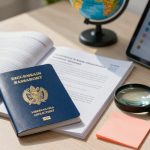
We provide clear, policy-driven guidance on Liberia visa document translation. Non-English originals typically require translation, with English originals sometimes acceptable if formatting and readability meet consulate standards. Translations must be done by qualified translators, and certification or notarization may be required. We cover birth, marriage, and nationality documents, plus when sworn vs certified translations are needed. We also outline timelines, common delays, and quality checks used by Liberian consulates. If you continue, you’ll learn more specifics and practical steps.
Translations are required for non-English Liberia visa documents; English originals may suffice if compliant with formatting and readability.
Use qualified translators; certified translations with translator credentials are often required, sometimes notarized or sworn.
Birth, marriage, nationality, and identity documents typically need translation; preserve names, dates, and original seals/formats.
Attach translation attestations and ensure traceable provenance; include originals or certified copies as required by the consulate.
Start early to meet timelines; verify specific acceptance criteria, including notarization and certification standards, with the issuing authority.
What Liberia Visa Documents Typically Require Translation
Determining which Liberia visa documents typically require translation is essential to guarantee your application proceeds without delays. We, as your guidance partner, identify core documents that usually demand translation for compliance and audit readiness. Primary items include birth certificates, marriage certificates, police clearance notes, and academic diplomas, along with official transcripts and employment letters. Supporting documents, such as notarized affidavits or court records, may also require translation depending on issuance language and jurisdiction. We avoid irrelevant topic content and refrain from unrelated random chatter in our policy-driven outline. We recommend translators certify accuracy, preserve seals, and attach translation attestations. Ensure each translated file aligns with the original’s format, dates, and names, enabling efficient verification by consular staff. This focus minimizes delays and preserves application integrity.
Which Languages Are Acceptable for Translations in Liberia Visas
In Liberia visa translations, the acceptable languages are limited to English and the language of the issuing country, when applicable. We present a concise policy summary for applicants and stakeholders, clarifying scope and compliance expectations. Our stance is that translations must be prepared by qualified translators and accompanied by appropriate certification when required by the issuing authority. To emphasize key points, consider the following:
English submissions are always acceptable as the default language of record.
Translations from the issuing country’s language are allowed where applicable and documented.
Any other language is generally not accepted unless explicitly approved by the consulate.
Note: non relevant topic, unrelated discussion may appear in ancillary guidance but does not alter core requirements.
When a Document Must Be Translated vs. Presented in English
We outline when documents must be translated versus presented in English, and we’ll clarify the criteria that trigger translation requirements, including standard practice and exceptions. We address how translation scope aligns with document types and the accompanying standards, ensuring applicants know what must be produced in English and what may be translated. We invite readers to ponder how these rules streamline submission, reduce ambiguity, and support consistent visa decision processes.
When Translation Is Required
When is translationrequired for Liberia visa documents, and when can English originals suffice? We establish clear thresholds to ensure consistency across applications. We, in coordination with applicants, determine translation necessity based on source language and official use. In general, documents issued in English may not need translation, while non-English records require certified translation to validate accuracy and authenticity. The following points guide our approach:
Non-English documents: mandatory translation by a qualified translator with notarization where required.
Official authorities: prefer translated copies alongside originals for verification.
Acceptance criteria: translations must meet specified translation timelines and include notarization requirements when applicable.
We emphasize accuracy, prompt submission, and adherence to policy to avoid delays in processing.
English Presentation Exceptions
How do we determine when an English document must be translated versus presented in English? We apply a clear threshold: documents foundational to identity or legal eligibility are translated to ensure translation accuracy, while routine materials may be presented in English when the original complies with formatting and readability standards. We assess purpose, audience, and evidentiary value, balancing efficiency with verifiable accuracy. If a document conveys critical claims or regulatory details, translation is required to avoid misinterpretation. Conversely, simple confirmations of already English content can be presented as-is, provided they meet our document formatting guidelines and preserve meaning. Our policy insists on traceable translation provenance, standardized terminology, and consistent formatting. This approach minimizes ambiguity while streamlining submission processes for applicants and adjudicators alike.
Document Type Standards
What determines whether a document must be translated or may be presented in English hinges on its function and evidentiary value. We define Document Type Standards to guide consistent visa-screening practice. We apply strict criteria to determine translation necessity and English presentation allowances.
We require translation for documents that establish identity, authority, or legal status beyond routine verification.
We permit English presentation for documents with broad official acceptance or those bearing equivalent evidentiary weight in the applicant’s context.
We treat birth certificates and oath requirements as priority items, with translations preferred when originals lack universal English rendering.
This standard ensures accuracy, minimizes misinterpretation, and aligns with policy expectations for Liberia visa applications.
Certified Translation vs. Sworn Translation: What’s Required
We outline the distinction between certified and sworn translations and clarify when each is required for Liberia visa documents. We’ll summarize how certs differ from sworn statements and specify the conditions that trigger one or the other. Our goal is to guide you clearly on the applicable standards and ensure compliant submission.
Certified vs Sworn Distinction
Certified translation and sworn translation serve different legal purposes in Liberia visa processing. We, as your translation partner, outline clear distinctions to guide compliance. In summary, certified translations attest accuracy for official use, while sworn translations carry formal oath or affirmation and potential legal standing. To help you decide, consider:
Jurisdictional requirements: some authorities accept only certified, others require sworn for affidavits or court submissions.
Documentation standards: certified work emphasizes accuracy and translator credentials; sworn work emphasizes an oath and notarization.
Verification and traceability: certified translations often include a stamped certificate; sworn translations may involve a notary or public official.
Translation workflow and ethical considerations guide our process, ensuring consistency, confidentiality, and lawful practice at every step.
When Each Is Required
In Liberia visa processing, the choice between certified and sworntranslations hinges on the specific requirements of each authority or document type. We align our guidance to ensure compliance, not preference, and we differentiate by document origin, destination, and purpose. Certified translations verify accuracy and originate from a recognized translator or agency; sworn translations involve sworn affidavits or notarial endorsement. When an authority specifies “certified,” we submit sealed, auditable copies; when “sworn” is required, we include the oath of the translator. In some cases, unrelated topic notes or sensor calibration reports may be exempt if they are ancillary and officially untranslated. The table below clarifies typical expectations.
Document type
Requirement
Endorsement
Origin/authority
Certified
Sworn
Purpose
Primary
Auxiliary
How to Translate Birth, Marriage, and Nationality Documents
How should you translate birth, marriage, and nationality documents for Liberia visa applications? We address this with clear, policy-driven guidance that emphasizes accuracy and compliance. We present actionable steps that ensure translation quality and admissibility, focusing on standard practices and verifiable methods.
Verify document scope and formatting, ensuring each item is labeled and consistent with official requirements.
Emphasize language accuracy by producing faithful translations of terms like birth certificate and marriage certificate, avoiding interpretive edits.
Adhere to citation standards, including translator credentials and date conventions, to support authenticity and verifiability.
Translating Police Records, Court Decisions, and Legal Papers
We will outline how to translate police records, court decisions, and other legal papers with precision and safety in mind. Our focus is on accuracy, proper handling of sensitive information, and the nuances of translating legal terminology. We will guide you through best practices to ensure compliant, clear, and reliable translations.
Translating Legal Documents Safely
Translating legal documents safely requires a careful, process-driven approach: we prioritize accuracy, preserve original meaning, and adhere to jurisdictional conventions, since police records, court decisions, and other legal papers demand precise language and proper terminology. We craft translations with vigilance for legal ethics and the realities of bilingual practice, recognizing risk in misinterpretation and bias. We also address the role of machine translation as a supporting tool, not a sole solution, ensuring review by qualified staff. To guide our process, consider:
1) Verify source authenticity and jurisdictional requirements.
2) Align terminology with legal norms across languages.
3) Implement final human review before submission. We emphasize clarity, accountability, and compliance, avoiding overreliance on automation while maintaining professional standards and ethical integrity.
Accuracy in Police Records
Accurate translation of police records, court decisions, and other legal papers is essential to assure fair outcomes and reliable legal processes. We address accuracy directly for Liberia visa applications, emphasizing that every translation must reflect original meaning with fidelity. Our policy focuses on minimizing ambiguity, preserving terminology, and distinguishing legal phrases from everyday language. We require careful handling of police records to ensure names, dates, and jurisdictions remain clear, consistent, and searchable, supporting effective review by authorities. Translation accuracy hinges on structured glossaries, verified bilingual experts, and rigorous quality checks. We advise applicants to provide certified copies and context notes when available, reducing misinterpretation risks. By adhering to these standards, we uphold integrity, timeliness, and trust in the visa assessment process for all applicants.
Court Decisions Translation Nuances
Court decisions present unique challenges in Liberia visa applications, requiring careful handling of legal nuance, terminology, and jurisdictional references. We address these nuances with disciplined accuracy, ensuring readability while preserving meaning. Our goal is a solution that supports adjudicators and applicants alike, delivering a free 📚 translation that remains faithful to originals and compliant with policy.
1) Preserve legal terms and structure, translating authorities, dates, and case citations precisely.
2) Align jurisdictional references with Liberian practice, noting applicable statutes and precedents.
3) Flag potential ambiguities for expert review, enabling a transparent, verifiable process.
Academic Transcripts and Diplomas: Standards and Format
Academic transcripts and diplomas must be presented in a clear, standardized format, with original seals or stamps as applicable, to guarantee verifiability and consistent processing for Liberia visa applications. We outline precise expectations to ensure compliance across institutions and consulates. Our guidance emphasizes uniform formatting, legible typography, and secure authentication. By aligning diploma formatting with these standards, we minimize ambiguity and support efficient review. In practice, we stress verification from library catalogs and cross-checks against official records, reflecting classroom cultures within diverse educational systems. The following table delineates required elements and their application.
Element
Requirement
Identification
Full student name, institution, program
Authentication
Original seal or stamp, date, signatory
Language
English or certified translation
Format
Clear print, consistent margins, official letterhead
Documentation
Supplemental transcripts, diplomas as issued
Obtaining and Presenting Translation Certifications for Consulates
To ensure smooth processing of Liberia visa applications, translating documents must be accompanied by certified translation attestations recognized by consulates. We provide clear guidance on obtaining and presenting these certifications to satisfy consular requirements while upholding language accessibility and birth validation standards. Our approach emphasizes verifiable credentials, proper formatting, and timely submission.
Key steps:
1) Verify issuing authority and validity period for the translation certification.
2) Include translator qualifications, signature, seal, and contact information on the certificate.
3) Attach corroborating originals or certified copies as needed by the consulate.
Common Pitfalls That Trigger Extra Verification or Delays
Why do some translation submissions encounter delays? We consistently observe that incomplete source material, ambiguous naming, or mismatched terminology trigger extra verification steps. When documentation isn’t aligned with Liberia’s regulatory expectations, review teams must request clarifications, which slows processing and increases administrative workload. We also flag inconsistent formatting, missing stamp or apostille details, and nonstandard field labels that impede rapid cross-checking. These issues can drive missed deadlines and cost overruns as additional rounds of revision become necessary. To minimize risk, ensure all documents are fully legible, translated from confirmed languages, and accompanied by precise source identifiers. Our guidance emphasizes adherence to exact wording, consistent terminology, and complete metadata to streamline verification and protect timelines.
Timeline Expectations: When to Start Translations in Your Visa Process
When should you begin translations in your Liberia visa process? We recommend structured timeline planning that aligns with consulate processing windows and document issuance dates. Early action reduces risk of last‑minute delays and unnecessary fees, while preserving scheduling flexibility. By mapping the visa timeline to translation milestones, you improve predictability and compliance.
Initiate translations as soon as you have the original documents or their apostilled equivalents.
Align translations with requested validity periods and consulate appointment timelines.
Build a buffer for potential revisions or additional documents.
This approach supports clear translation logistics, minimizes rush costs, and ensures you maintain a steady cadence from document collection to submission. We prioritize accuracy, consistency, and timely delivery to keep your application on track.
Quality Checks: What Liberia Consulates Look for in Translations
What do Liberia consulates typically scrutinize in translations? We examine translations for translation accuracy, ensuring content matches the original documents without omissions or alterations. Precision in terminology, names, dates, and legal phrases is mandatory, with consistent formatting throughout all pages. We verify that source material is faithfully rendered, avoiding additions, deletions, or empathetic interpretations that could mislead adjudicators. We also assess document notarization where required, confirming seals, signatures, and dates align with the issuing authority’s standards. Any certification must reflect the translator’s competence and the document’s legal status. Overall, the process emphasizes traceability, clear language, and conformity to consular guidelines. When these quality checks are met, applicant files proceed with greater confidence and processing clarity.
Working With a Translation Partner: Questions to Ask Novatia Translations
Choosing the right translation partner matters for Liberia visa applications, and asking the right questions helps guarantee reliability. We partner with you to assess capabilities, timelines, and compliance, ensuring clear alignment with consular expectations. To guide your due diligence, consider these questions:
1) How do you handle required certifications, confidentiality, and data security?
2) What quality controls ensure accuracy, consistency, and prompt revisions if needed?
3) How do you address unrelated topic and random concerns that may arise during the process?
We emphasize transparent pricing, service-level agreements, and documented methodologies. Our approach minimizes risk by clarifying scope, deliverables, and escalation points. By engaging with us, you gain assurance that translations meet regulatory standards and that communication remains consistent throughout the process. This focus supports reliable outcomes for your Liberia visa documentation.
Frequently Asked Questions
Do Translations Require Notarization by a Local Notary?
We do not require notarization by a local notary for Liberia visa translation; instead, we verify translations for notary requirements and local verification. We ensure compliance with policy standards, documenting procedures and guiding applicants accordingly.
Are Back-Translations Ever Necessary for Liberia Visas?
Back translation necessity depends on our assessment; we determine if it’s required for accuracy verification. We will, when needed, perform back translations to ensure fidelity and compliance with Liberia visa document standards.
Can Electronic Translations Be Accepted by Consulates?
Electronic translations are generally not accepted unless explicitly stated by consulate requirements. We, however, confirm we follow official guidance and advise verifying with the consulate. Please consult consulate requirements for Liberia visa applications before submitting documents.
What Currencies or Seals Must Appear on Translations?
The currencies or seals required on translations vary by consulate; we advise verifying locally. We ensure translation accuracy and translation certification align with official standards, and we’ll guide you on any currency annotations or seal specifics for your case.
Which Documents Must Be Translated if Originally in French?
We must translate all documents originally in French, including birth, marriage, and police records; notarization may be requested locally; back translations are sometimes required; electronic translations may be accepted by some consulates; guarantee currencies/seals per policy.