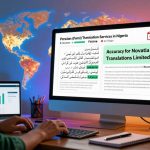
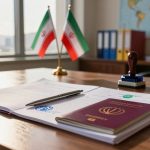
We’re positioning Nigeria for stronger Iran, Afghanistan, and Persian-speaking market access with precise, culturally tuned Farsi translations that cut risk and speed deals across regulatory, financial, and technical domains. Our approach blends market intelligence with sector-focused localization in energy, finance, tech, and healthcare, backed by data-driven QA and terminological governance. This clears misinterpretations, builds trust, and accelerates onboarding. If you want to see how this translates in practice, stay with us for the details ahead.
Enables precise, culturally attuned communication with Persian-speaking partners in Iran, Afghanistan, and regional business networks, reducing misinterpretation risk.
Supports regulatory compliance and contract clarity across energy, finance, tech, and healthcare sectors for Nigeria–Persia engagements.
Accelerates onboarding, due diligence, and negotiations through localized terminology, glossaries, and in-country reviewer feedback loops.
Enhances trust and credibility by delivering audience-appropriate messaging aligned with cross-cultural negotiation norms.
Facilitates seamless cross-border operations with accurate translations of tariffs, service agreements, and regulatory documents.
Why Nigeria Needs Persian Translation for Global Engagement
Nigeria’s global footprint is expanding, and Persian translation can be a strategic catalyst for outreach to Iran, Afghanistan, and Persian-speaking business communities. We see demand for accurate, culturally attuned content that unlocks persian entrepreneurship opportunities and clarifies regulatory nuances. By aligning Nigerian diplomacy with precise Persian communication, we reduce misinterpretation risk, accelerate onboarding, and elevate trust in bilateral ventures. Our approach combines market intelligence with linguistic optimization, ensuring messages resonate across sectors—from energy to tech and agro-processing. Data shows rising Iran-Africa trade interest and growing Persian-speaking SME networks; capitalizing on this requires targeted localization, not generic translation. We advocate a structured engagement plan: identify high-potential sectors, tailor value propositions, and maintain consistency in terminology, tone, and compliance. This strengthens Nigeria’s international competitiveness and partnership velocity.
How Farsi Translation Supports Nigeria’s Trade Partners
What makes Farsi translation a strategic asset for Nigeria’s trade partners is its ability to bridge culture and commerce with precision. We see how accurate translations unlock contract clarity, risk assessment, and smoother negotiations across borders. Farsi specialists translate regulatory language, tariffs, and service agreements, reducing misinterpretations that could derail deals. We rely on data-driven insights to show how culturally aware messaging enhances trust, speeds due diligence, and supports compliant, timely deliveries. By addressing cultural etiquette in negotiations and correspondence, we minimize friction and build durable partnerships. We also monitor currency fluctuations to align pricing, terms, and invoicing with volatile markets, safeguarding profitability. In short, precise Farsi translation strengthens collaboration, resilience, and long-term value for Nigeria’s trade partners.
Key Sectors Driving Farsi Demand in Nigeria
We see strong demand for Farsi in Nigeria driven by export-oriented sectors and regional partnerships, where data shows growth in trade, manufacturing, and logistics. By highlighting these key opportunities, we guide decisions on where translation services can deliver the most impact, efficiency, and risk reduction. Let’s explore how these sectors shape demand and what that means for our strategy and clients.
Demand Drivers In Nigeria
Across Nigeria, demand for Farsi translation is propelled by growth in sectors where precise communication unbinds value, from energy and engineering to legal and healthcare. We’re seeing decision-makers seek exact, culturally aware renderings to navigate complex projects, contracts, and compliance, driving steady volume. Perception gaps between local practice and international standards often demand nuanced terminology and document localization, not generic translation. Regulatory divergence across industries further tightens requirements, making certified and specialized services essential. In finance and telecom, accurate risk disclosures and technical specs reduce misinterpretation. Our approach pairs technical rigor with sector insight to map translation needs to outcomes, strengthening engagement with Iranian partners and multinational teams.
Sector
Need Focus
Impact
Energy
Compliance docs
Risk reduction
Engineering
Technical specs
Precision alignment
Healthcare
Patient data
Confidentiality
Key Sector Opportunities
Nigeria’s growing demand for Farsi translation is concentrated in a handful of sectors where precise, context-aware localization directly affects outcomes. We see robust opportunities in energy supply chains, public diplomacy, and higher education, where accurate Persian materials strengthen negotiations and collaboration. Finance and banking benefit from translations that support fiscal forecasting and risk assessment, enabling clearer cross-border communication with Iranian partners. Tech and telecommunications firms gain from remote collaboration tools, ensuring user interfaces, manuals, and support content resonate locally. Healthcare and pharmaceutical sectors demand precise regulatory and clinical documentation to unlock collaborations and patient outcomes. We champion sector-focused localization as a strategic differentiator, aligning language service delivery with Nigeria’s international engagement goals. By prioritizing these sectors, we drive measurable impact, efficiency, and trust in every Farsi translation project.
Novatia Translations: What Sets Nigerian Farsi Projects Apart
We at Novatia Translations recognize Nigerian Farsi projects as uniquely nuanced, with local context and quality benchmarks shaping every deliverable. Our approach aligns Nigerian project nuances with rigorous localized standards, backed by data-driven metrics that track accuracy, timeliness, and cultural relevance. We invite you to contemplate how these precise benchmarks set our translations apart and elevate outcomes for Nigerian audiences.
Nigerian Farsi Project Nuances
Novatia Translations’ Nigerian Farsi projects stand out because we tailor each engagement to Nigeria’s unique linguistic landscape, regulatory environment, and sector needs—delivering faster turnaround without sacrificing accuracy. We address Nigerian Farsi nuances with disciplined project scoping, cultural etiquette awareness, and a focus on dialect diversity to protect meaning and tone. Our approach blends data-driven QA, glossary governance, and risk mitigation to avoid costly rework.
calibrated terminology across Nigerian dialects
culturally informed glossaries and style guides
rapid in-country reviewer feedback loops
compliance checks aligned with regulatory expectations
measurable turnaround without compromising fidelity
Localized Quality Benchmarking
Our Nigerian Farsi work leverages precise, data-driven benchmarks to ensure every project hits target accuracy, turnaround, and regulatory alignment. Localized Quality Benchmarking means we tailor standards to Nigeria’s linguistic landscape, aligning source content with audience expectations while preserving meaning across dialects. We measure linguistic morphology, syntax, and register against industry KPIs, enabling rapid risk detection and corrective action. Our approach blends rigorous QA checklists with real-time feedback loops, ensuring consistency from first draft to final delivery. We prioritize script modernization, updating fonts and rendering rules to maintain legibility on varied devices and platforms. By benchmarking against client objectives, we translate cultural nuance into measurable quality, reducing revision rounds and accelerating approval cycles. This disciplined method differentiates our Nigerian Farsi projects, delivering dependable, scalable outcomes.
How Accurate Farsi Translation Elevates Legal and Compliance Work
How does precision in Farsi translation power the legal and compliance workflow? We, at Novatia, know that accurate Farsi renders legal nuance and regulatory intent with clarity, reducing risk and accelerating decisions. Our approach blends linguistic rigor with sector-specific knowledge, transforming complex texts into actionable compliance. By prioritizing exact terminology, we minimize misinterpretation, streamline audits, and fortify governance. The result is a defensible record that stands up in dispute resolution and cross-border negotiations. Trustworthy translation directly influences risk management, contract enforcement, and regulatory reporting. We deliver consistent quality across languages, enabling faster approvals and fewer reworks.
Accurate terminology alignment
Standardized document templates
Verified bilingual reviews
Traceable change logs
Compliance-focused risk assessment
Navigating Cultural Nuances in Persian-Nigerian Communications
What really matters when Persian-Nigerian communication crosses cultural lines is context—the subtle cues, norms, and expectations that numbers alone can’t capture. We approach this with disciplined insight, mapping cultural nuances to actionable steps in negotiation etiquette, so outcomes are predictable and respectful. Our data shows that timing, hierarchy awareness, and formality levels drive trust and speed-to-agreement. By aligning messaging with local expectations, we reduce friction and raise conversion rates. The table below distills cross-cultural levers for quick reference and decision-making.
Element
Nigerian Expectation
Persian Expectation
Tone
Respectful, collaborative
Polite, indirect
Timing
Flexible schedules
Punctual when possible
Hierarchy
Consultative
Consensus-aware
Quality Assurance: Steps From Draft to Final Persian Delivery
We establish our draft-to-final Persian delivery with strict quality checks and a clear terminology consistency process, ensuring every term stays uniform across the project. Our approach is data-driven: we track revision cycles, error rates, and glossary adherence to minimize rework. By aligning these steps early, we strengthen accuracy, speed, and trust with our readers.
Draft–Final Quality Checks
Across the Draft–Final phase, we systematically guard quality by mapping each step from draft to delivery, ensuring accuracy, consistency, and timeliness in Persian translations. Our approach hinges on rigorous quality checks that catch errors early and align with client goals, regulatory needs, and audience expectations. We quantify progress with measurable benchmarks and tight turnarounds, preserving meaning while optimizing readability.
Draft–final workflow ensures traceability and accountability
Inline terminology validation to prevent drift
Consistency audits across sections and formats
Final proofreading focused on punctuation, style, and tone
Client-ready deliverables with documented QA outcomes
This disciplined process minimizes rework, accelerates approval, and strengthens trust in our Persian delivery. Trust our data-driven checks to deliver precise, culturally appropriate results, every time.
Terminology Consistency Process
Our Terminology Consistency Process tightens the links between draft and final Persian delivery by codifying every term choice into a single, auditable standard. We align lexicon across departments, ensuring every term reflects intent, domain, and audience. Our approach centers on terminology consistency, controlled vocabularies, and disciplined review cycles that catch drift before localization completes. We maintain a centralized glossary and enforce glossary governance to prevent term drift as projects scale. Through iterative checks, parallel glossaries, and stakeholder sign-off, we minimize misinterpretation risk and improve translation time-to-market. Data-driven metrics track term usage, synonym conflict, and consistency scores, enabling proactive refinements. Readers gain confidence in reliable messaging, while our teams benefit from streamlined QA, faster reviews, and auditable, repeatable results.
Choosing the Right Persian Translator in Nigeria: Criteria That Matter
Choosing the right Persian translator in Nigeria isn’t just about language skills—it’s a strategic decision that hinges on accuracy, cultural fluency, and process transparency. We guide you to evaluate credentials, delivery pace, and data-driven quality metrics. Our approach combines native proficiency with rigorous verification to avoid two word discussion ideas and irrelevant topics that derail projects. By selecting translators with documented domain experience and tested localization workflows, you gain reliable results and predictable timelines.
Credentialed expertise and native fluency
Proven industry experience and case studies
Transparent, tracked workflows and SLAs
Quality assurance with back-translation checks
Cultural alignment and regional relevance
Choose partners who combine precision with measurable processes, ensuring translations that outperform expectations and support strategic engagement.
Cost Considerations for Persian (Farsi) Translation Services
Navigating Persian translation costs requires a clear, data-driven framework: by understanding per-word versus per-project rates, turnaround impact, and quality guarantees, we can forecast total spend with confidence and choose partners who align pricing with measurable value. We break down cost drivers, compare unit prices, and weigh project timelines against risk, so our budgeting is precise, not approximate.
Factor
Consideration
Cost comparison
Compare per-word, per-page, and flat project quotes to disclose hidden fees.
Negotiation levers
Volume discounts, rush surcharges, and service-level guarantees sharpen vendor terms.
Case Studies: Real-World Outcomes of Farsi Localization in Nigeria
Case studies show how Farsi localization translates into tangible Nigeria-specific outcomes, reinforcing the decision to invest in targeted language services. We’ll present data-driven examples that demonstrate clear localization outcomes and strategic value. From regulatory compliance to market penetration, the evidence supports measured investment and disciplined execution.
Accelerated regulatory approvals through accurate, culturally aware translations
Increased customer engagement via tailored product manuals and support in Persian
Higher conversion rates in Nigerian markets with localized branding
Reduced risk and errors through QA-driven localization processes
measurable return on investment from multilingual digital campaigns
These case studies prove that targeted Farsi localization yields practical, scalable advantages for Nigeria-focused initiatives, aligning language work with business goals and performance metrics.
How to Start a Persian Translation Project With Novatia
Are you ready to unleash Nigeria’s Persian-speaking potential with a blueprint that’s data-backed and action-oriented? We start by defining scope,, then mapping target audiences based on nigeria demographics and project goals. Our approach blends persian linguistics insights with practical workflow: glossary creation, style guidelines, and reference standards aligned to client needs. We assemble a cross-functional team, including native Persian translators and regional validators, to ensure accuracy and cultural relevance. We implement a phased plan—kickoff, pilot, full-scale rollout—with measurable milestones and quality checkpoints leveraging data dashboards. Risk registers flag potential linguistic nuances early, and we adjust timelines accordingly. From kickoff to delivery, we maintain transparent communication, frequent progress updates, and a client-centric review loop to optimize performance and outcomes.
The Future of Persian-Nigerian Engagement: Trends to Watch
The future of Persian-Nigerian engagement will hinge on how we translate insights into scalable impact, guided by data-backed trends and proactive collaboration. We see opportunity in deliberate metrics, cross-border partnerships, and agile localization that respects both cultures. By tracking market trends, we refine where and how to allocate translation resources for maximum ROI and impact.
capacity-building to sustain long-term collaboration
data-driven decisioning aligning services with market needs
This trajectory invites readers to co-create value, leveraging our collective expertise to convert insight into measurable outcomes.
Frequently Asked Questions
How Does Farsi Translation Affect Nigerian Foreign Direct Investment?
We believe Farsi translation boosts Nigerian FDI by signaling reliability and local-market readiness, shaping investor confidence. Our data-driven approach highlights farsi investment implications and Nigeria Farsi outreach, driving targeted stakeholder engagement and stronger cross-border deal flow.
What Are Typical Turnaround Times for Large Farsi Localization Projects?
Typical turnaround for large localization depends on scope, but we schedule milestones, allocate QA buffers, and aim for efficient cycles. We’ll deliver timely drafts, insist on precision, and optimize throughput to minimize risk and maximize impact.
Which Persian Dialects Most Affect Nigerian Business Communications?
We’d say the Persian dialects impacting Nigerian business communications are Iranian and Dari, but regional nuances matter; this dialect impact guides targeted messaging, boosting regional efficiency and persuasive outcomes through data-driven, strategic language choices.
How Is Data Privacy Managed in Nigerian Persian Translations?
We safeguard data privacy through rigorous access controls and encryption, ensuring translation security at every step; we audit workflows, limit vendor exposure, and uphold client sovereignty, so you can trust our processes with confidence and measurable risk reductions.
Can Farsi SEO Strategies Boost Nigerian Market Reach?
Farsi SEO strategies can boost Nigerian reach. We see measurable lifts from farsi marketing and seo localization, backed by data. We’ll optimize content, keywords, and local signals to expand engagement and conversion across target audiences.