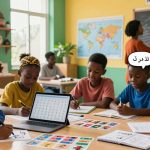
We present a practical path for learning modern Greek in Nigeria, starting with clear, measurable goals and a realistic timeline aligned to education, migration, or business needs. We assess resources and budget, then choose a suitable learning path—online tutors, language exchanges, and immersion activities—backed by a structured weekly schedule. We track progress with simple milestones and address Nigeria-specific barriers. With community support and sustainable habits, you’ll gain confidence and momentum; progress continues as you explore deeper insights.
Assess resources and budget first to identify affordable, high-impact Greek learning tools suitable for Nigeria.
Set clear, measurable milestones (phrases, grammar, comprehension) aligned with daily practice and context (education, migration, business).
Leverage local and online support networks: universities, cultural centers, tutors, and language exchanges.
Create a structured, habit-forming study plan with daily micro-tasks and regular progress reviews.
Choose immersion-friendly formats (home practice, online apps, offline-access courses) that work with Nigerian connectivity and electricity.
Start With Clear Goals for Greek in Nigeria
Setting clear goals for learning Greek in Nigeria is essential because it anchors our effort and clarifies priorities from the outset. We begin with goal setting that defines scope, timeline, and measurable outcomes, aligning daily practice with strategic aims. Our approach emphasizes concrete milestones, such as mastering basic phrases, arriving at intermediate fluency, or preparing for exams, while recognizing contextual usage in education, migration, or business. We then conduct resource auditing to ensure feasibility and sustainability, identifying available materials, instructors, and digital tools. By articulating objectives and assessing support structures, we reduce ambiguity and enhance accountability. This disciplined framing guides our study plan, fosters consistency, and enables progress tracking. In turn, readers gain a clear, structured path toward practical proficiency in Modern Greek within the Nigerian context.
Assess Your Resources and Budget Now
We begin with a concise Resource Inventory Snapshot to map what we already have, what we still need, and where gaps may exist. Next, our Budget Allocation Guide will translate identified needs into concrete, prioritized spending. Finally, the Tool and Access Checklist ensures we can act on these insights with appropriate platforms and services.
Resource Inventory Snapshot
Have you taken stock of what you already have and what you’ll need to learn Modern Greek in Nigeria? We begin with a precise inventory: current resources, accessible time, and budget boundaries. We identify core assets—textbooks, apps, and language partners—alongside gaps such as dedicated study time or immersive opportunities. We categorize items by utility and cost, prioritizing those with high instructional impact. Our assessment includes practical constraints, like electricity reliability and internet access, that affect resource utilization. We explicitly map out dependencies between materials, schedule, and measurable outcomes. In this snapshot, we highlight critical competencies—Greek pronunciation and Greek grammar—and how existing tools support them. We conclude with a targeted action list to optimize usage, ensuring efficient progress toward fluency within the Nigerian context.
Budget Allocation Guide
To build on our resource inventory, we now map how much we can allocate and where it should go. We begin with a clear baseline of available funds, faculty time, and study materials, then categorize sources as core, supplementary, or contingency. Our approach emphasizes budget Greek literacy by prioritizing essential tools—textbooks, online courses, and language exchange—while Nigeria resources inform cost-effective options and local access. We quantify each category, consider depreciation, and apply a conservative margin for unforeseen needs. Next, we assign fixed percentages to core learning activities, assessment, and cultural immersion, ensuring alignment with goals and timelines. We document assumptions, track variances, and schedule quarterly reviews to adjust allocations. This disciplined framework supports sustained progress, accountability, and transparent decision-making for learners nationwide.
Tool and Access Checklist
How do we determine our current capabilities and needs for learning Modern Greek in Nigeria? We assess access to devices, data, and quiet study space, then map costs against goals. The Tool and Access Checklist guides us to quantify Greek immersion opportunities and the role of Nigerian dialects in comprehension. We evaluate course formats, tutor availability, and library resources, prioritizing efficient, measurable progress. To proceed, we categorize essentials: hardware, software, and time. We then estimate monthly budgets, balancing tuition, apps, and study supplies.
Resource
Action
Access
Confirm connectivity and device compatibility
Budget
Set monthly cap and review quarterly
Immersion
Identify local events and online exchanges
Choose the Right Greek Learning Path for You
We consider how our goals align with the available resources to choose a Greek learning path that fits you. By clarifying what you want to achieve and the tools you can access, we can map a practical route—accelerated courses, self-paced study, or immersive options. This alignment guarantees each step is purposeful, efficient, and sustainable within your context in Nigeria.
Assess Your Goals
Indeed, what are your primary aims for learning Greek, and how will you measure progress toward them? We begin with a precise assessment of goals, aligning linguistic ambitions with practical outcomes. Our approach emphasizes goal setting as a framework to define proficiency targets, such as conversational fluency, reading comprehension, or formal communication for work. We then conduct a systematic resource auditing, cataloging available materials, courses, and practice opportunities suitable to Nigerian contexts. We prioritize measurable milestones, timelines, and realistic constraints, ensuring that each objective is observable and time-bound. By clarifying purposes and evaluating inputs, we enable a tailored learning path. This disciplined start minimizes wasted effort and supports sustained motivation as we select appropriate, credible Greek-learning avenues.
Match With Resources
To match your goals with the right Greek learning path, we systematically map available resources to your stated objectives and constraints, ensuring alignment with your target level, timeline, and Nigerian context. We evaluate course content, teaching method, and assessment rigor to select options that reinforce Greek pronunciation and tone accuracy. We prioritize structured curricula, native-speaker feedback, and practical listening drills that suit busy schedules and local access. We compare self-study tools, synchronous classes, and blended programs for overall coherence, consistency, and progress tracking. We verify resource credibility, cost, and support networks to sustain motivation. Our selection emphasizes measurable milestones, diverse practice scenarios, and culturally relevant examples that strengthen language retention. In sum, the right resources align your study plan with realistic milestones and your linguistic goals.
Build a Realistic Weekly Study Schedule
Designing a realistic weekly study schedule requires balancing consistent practice with practical constraints, so we can allocate time for Greek across days without overloading any single session. We present a structured approach that prioritizes measurable outcomes and incremental progress. Our framework defines fixed daily blocks, with alternating focus on grammar, vocabulary, and pronunciation, ensuring coverage of essential skills. We emphasize Greek pronunciation during phonetics-focused sessions and integrate concise drills into short slots to reinforce retention. We allocate two longer sessions weekly for immersive reading and listening, paired with brief daily reviews to consolidate learning. Accountability comes from clear targets and progress indicators, not sheer duration. By aligning goals with available time, we minimize burnout while maximizing steady advancement through weekly drills and purposeful practice.
Leverage Online Tutors and Language Exchange Partners
We can outline how online tutors provide structured feedback, varied practice, and access to native pronunciation that complements our Nigerian context. Language exchanges offer real conversational gains, cultural insights, and authentic listening experience that online sessions alone may not fully cover. Together, these options form a balanced approach to maximizing both accuracy and fluency in Modern Greek.
Online Tutor Benefits
Online tutors offer targeted, immediate guidance that accelerates skill acquisition, especially when practice opportunities are limited by geography. We assess how remote instruction complements self-study by providing structured feedback, customized drills, and consistent pacing. Our approach emphasizes measurable progress in core competencies: pronunciation, listening comprehension, and real-time accuracy. Greek pronunciation benefits from expert auditory models, targeted phonetic cues, and corrective annotations that align with regional usage. We also consider the role of Greek slang as a cultural bridge, encouraging authentic expression while maintaining linguistic clarity. We thus integrate scheduled sessions with asynchronous tasks, ensuring continuity across Nigeria’s diverse contexts. By prioritizing feedback quality, workload balance, and objective milestones, we enable steady advancement without overreliance on any single modality.
Language Exchange Gains
Language exchange gains arise when online tutors and language partners combine to create a complementary practice ecosystem. We observe how Greek pronunciation improves through real-time feedback and targeted drills, while peers expose us to authentic usage and rhythm. Our approach centers on structured conversations, correction loops, and goal-oriented sessions that align with Nigeria-based schedules. By pairing learners with native speakers, we access nuanced slang and cultural context, reducing miscommunication and increasing retention. Greek slang often surfaces in natural dialogue, requiring disciplined listening and note-taking. The collaborative model elevates confidence, sustains motivation, and diversifies practice modalities. Below, a concise framework illustrates roles, methods, and metrics for sustained language exchange success.
Role
Method
Metrics
Tutor
Corrective feedback
Pronunciation accuracy
Learner
Active speaking
Fluency milestones
Partner
Cultural insights
Contextual comprehension
Frequency
Regular sessions
Consistency score
Tools
Recordings
Progress logs
Access Affordable Greek Learning Tools and Apps
Access to affordableGreek learning tools and apps is essential for building a practical foundation in Nigeria. We seek cost-effective resources that preserve accuracy in Greek pronunciation and familiarity with the Greek alphabets, ensuring reliable pronunciation guidance and orthography. Our approach favors curated platforms offering structured lessons, progress tracking, and offline access for consistency. By evaluating apps for quality content and user support, we can optimize what Nigeria learners access without sacrificing rigor.
Greek pronunciation accuracy and clear audio samples
Comprehensive coverage of Greek alphabets with practice drills
Flexible, affordable platforms that support self-directed study and progression
We invite you to select tools that align with goals, monitor learning gains, and integrate regular review to reinforce discipline and precision.
Use Practical Immersion Practices at Home and Online
We’ll build on the affordable tools discussed earlier by embedding Greek practice into daily life at home and online. We approach immersion with purpose: identify routines where Greek use is natural, then align activities to reinforce vocabulary, grammar, and cultural awareness. At home, we designate short, reproducible tasks—label items, narrate actions, and summarize tasks in Greek, reviewing with concise notes. Online, we curate budget friendly apps to support spaced repetition, error monitoring, and topic variety, ensuring consistent exposure without distraction. We also implement daily micro surveys to gauge comprehension, adjust difficulty, and track progress, fostering measurable improvement. This integrated method maintains discipline while leveraging accessible resources, ensuring learners maintain steady momentum, minimize frustration, and sustain motivation through practical, targeted immersion.
Practice Listening and Speaking in Real-Life Scenarios
How can we effectively tune our listening and speaking skills by practicing in real-life scenarios? We approach this with disciplined exposure that mirrors daily Greek use, emphasizing practical pronunciation and culturally informed cues. Our method anchors learning in authentic interaction, rather than abstract drills, to optimize retention and confidence.
Engage in conversations with native speakers in markets, eateries, and transportation hubs to observe authentic prosody and vocabulary.
Listen to broadcast content and respond aloud, focusing on rhythm, intonation, and situational language within cultural immersion contexts.
Reflect after each encounter, noting mispronunciations, alternative expressions, and semantic nuances to refine future responses.
This targeted practice strengthens listening acuity and speaking fluency, aligning linguistic accuracy with real-world communicative needs.
Track Progress With Simple Milestones and Metrics
Tracking progress with simple milestones and metrics keeps learning tangible and motivating. We propose a structured approach: define clear, time-bound goals, then map these to measurable steps. Our method centers on incremental milestones that reflect competency gains—vocabulary quotas, listening comprehension checks, and speaking benchmarks. We document outcomes weekly, noting deviations and causes, then recalibrate. This practice supports consistent momentum and enables objective evaluation of our Greek progress. We also emphasize budget planning as part of our tracking framework, ensuring resource allocation aligns with anticipated study loads and material costs. By embedding goal setting within a disciplined review cycle, we gain actionable insights, identify necessary adjustments, and sustain accountability. We invite readers to adopt this transparent, data-informed process for sustained improvement.
Overcome Nigerian-Specific Barriers to Language Learning
What Nigerian-specific barriers most commonly hinder language learning, and how can we address them with targeted strategies? We observe constraints rooted in time, resources, and exposure. To counter Nigerian hurdles, we implement structured routines, exploit affordable tools, and seek practical immersion. Our budget strategies emphasize prioritizing low-cost materials, leveraging free online content, and scheduling consistent practice within available hours. By aligning goals with realistic timelines, we sustain motivation and measure progress. We also tailor content to local contexts, ensuring relevance and immediacy in Greek language use. Ultimately, disciplined, resourceful planning transforms obstacles into actionable steps, preserving momentum and confidence even amid competing duties.
Nigerian hurdles
budget strategies
targeted routines
Find Community Support and Accountability
Finding solid community support and accountability is essential for sustaining progress in learning Modern Greek; a structured network of peers, mentors, and local resources helps keep goals visible and commitments actionable. We therefore emphasize deliberate collaboration: study circles, language exchange groups, and structured feedback loops anchored in consistent meeting cadences. By pooling diverse strengths, we expose gaps in Greek pronunciation strategies and adjust practice drills accordingly, transforming uncertainty into measurable improvement. Accountability should be mutual, not punitive, with clear milestones, progress logs, and periodic reviews that respect cultural nuance. We also leverage local universities, cultural centers, and online platforms to widen access to native input and curated materials. Recognizing Greek spelling challenges, we align practice tasks with formative assessment, ensuring steady confidence gains.
Make Greek Learning a Fun, Sustainable Habit
We’ve built a solid support network for Greek study; now we leverage that foundation to make learning a steady, enjoyable habit. We propose structured routines, calibrated goals, and reflective checkpoints to sustain momentum. Our approach combines deliberate practice with social accountability, ensuring progress remains measurable and meaningful. By embedding Greek use in daily life, two word discussion idea1 and two word discussion idea2 become natural conversational anchors, not isolated drills. We prioritize efficiency, consistency, and resilience, resisting burnout through balanced pacing and purposeful sprints. This framework transforms study from obligation into habit, while preserving rigor and clarity.
Establish daily micro-sessions that fit real schedules
Schedule periodic progress reviews with peers
Align content with personal interests for lasting engagement
Frequently Asked Questions
How Can I Stay Motivated During Long Study Periods?
We stay motivated by establishing measurable goals and new study routines, reinforcing habit formation. In long term study, we monitor progress, adjust plans, and celebrate small wins, maintaining focus while analyzing obstacles and refining strategies for sustained momentum.
Which Greek Dialect Should I Focus on First?
Which Greek dialect, first focus? Start with Standard Modern Greek as our baseline. We recommend prioritizing Attic-influenced, then broader Demotic forms for practical use; this provides clarity, consistency, and smoother transition to regional variations for readers.
Are There Nigerian-Specific Greek Learning Communities?
Yes, there are Nigerian Greek communities; we’ve found Nigerian Greek forums and Lagos language exchange groups that facilitate practice, collaboration, and resource sharing for learners and speakers alike. We invite your participation and feedback.
How Can I Practice Speaking With Limited Greek Peers?
We can find practice partners locally or online and schedule regular sessions; use speaking prompts to structure dialogues, correct errors promptly, and track progress for consistent improvement. We’ll collaborate with you to maximize every speaking opportunity.
What Budget-Friendly Greek Materials Work Best?
We recommend budget friendly Greek materials like graded readers, open-access ebooks, and reputable apps with core vocab. We’ll compare cost, quality, and adaptability, ensuring you maximize value while maintaining rigorous learning standards for sustained progress.